
Beyond the Buzzword: What Brands Really Mean When They Say They Need "Storytellers"
In today’s digital marketplace, the word “storyteller” is thrown around with abandon. Job descriptions, agency pitches, and brand manifestos all pledge allegiance to its power. But in an age where anyone with a smartphone can be a “content creator,” what separates a true storyteller from the noise? The distinction isn’t semantic—it’s strategic survival.

Brands aren’t just looking for people who can craft sentences or edit reels. They are seeking architects of trust, engineers of connection, and strategic partners who can navigate a landscape defined by three brutal realities: audiences are chronically overwhelmed, traditional advertising reach is evaporating, and a tidal wave of AI-generated content is flooding every feed.
This isn’t about posting more; it’s about what matters more. Here’s what brands are truly searching for when they issue the call for a storyteller.
1. They Seek Editorial Credibility, Not Just Promotional Chatter
The dream is no longer a viral ad. It’s a narrative so authentic and valuable that it earns a place in Google News, Apple News, or the coveted AI Overviews. Brands crave the authority of media, not the skepticism reserved for ads. They want stories that are discovered, not just dispatched.
This means storytellers must operate with a publisher’s mindset: pursuing angles of genuine interest, building narratives with factual integrity, and understanding the algorithms of credibility as much as those of engagement. It’s content that serves the audience first, knowing that brand loyalty is the reward, not the premise.
2. They Require Strategic Distribution & Platform Fluency
A beautiful story unseen is a ghost. Modern storytellers must be cultural cartographers, mapping not just the story, but its journey. This requires deep fluency in platform psychology—knowing why a nuanced narrative thrives on LinkedIn, how authenticity crackles on TikTok, and what makes a story “unmissable” in a crowded newsletter.
It’s a blend of art and science: understanding search intent, anticipating cultural moments, and leveraging platform-specific features to ensure the right story reaches the right person at the precise moment they’re ready to hear it. This is distribution woven into the narrative fabric itself.
3. They Demand Meaning Over Messaging
Polished corporate messaging is a monologue. Storytelling is a dialogue built on shared human values. Brands have realized that campaigns which only talk *at* people—no matter how sleek—fall flat. Neuroscience confirms this: we are emotional beings first, rational second. Stories are the vehicle that bypasses skepticism and speaks directly to emotion.
Companies need narratives that tap into universal feelings of aspiration, challenge, belonging, or ingenuity. They want stories that make you feel, “They get me,” or “This matters.” It’s the difference between listing features and embodying a purpose.
4. They Need Clarity & Consistency as a Foundation
Often, a brand’s story is fragmented—caught between departments, lost in leadership transitions, or blurred by rapid growth. The storyteller’s role is to become a clarifying force. They help distill the core identity, the non-negotiable values, and the enduring purpose into a coherent narrative spine.
This consistent story becomes the organization’s compass, guiding everything from customer service interactions to crisis communications and product launches. It ensures the brand is a coherent character in the customer’s life story, not a parade of confusing cameos.
5. They Champion Humanity Over Perfection
The curated, flawless aesthetic of the past is breaking down. Audiences now connect with authenticity, vulnerability, and recognition. As one communications expert perfectly frames it: “People don’t connect to perfection. They connect to recognition.”
This means storytellers must champion the human side of brands—the behind-the-scenes struggles, the real people behind the logo, the lessons learned from failures. It’s about showing the why and the who, not just the what. This relatable humanity builds bonds that glossy perfection never could.
The Bottom Line: A Partnership, Not a Service
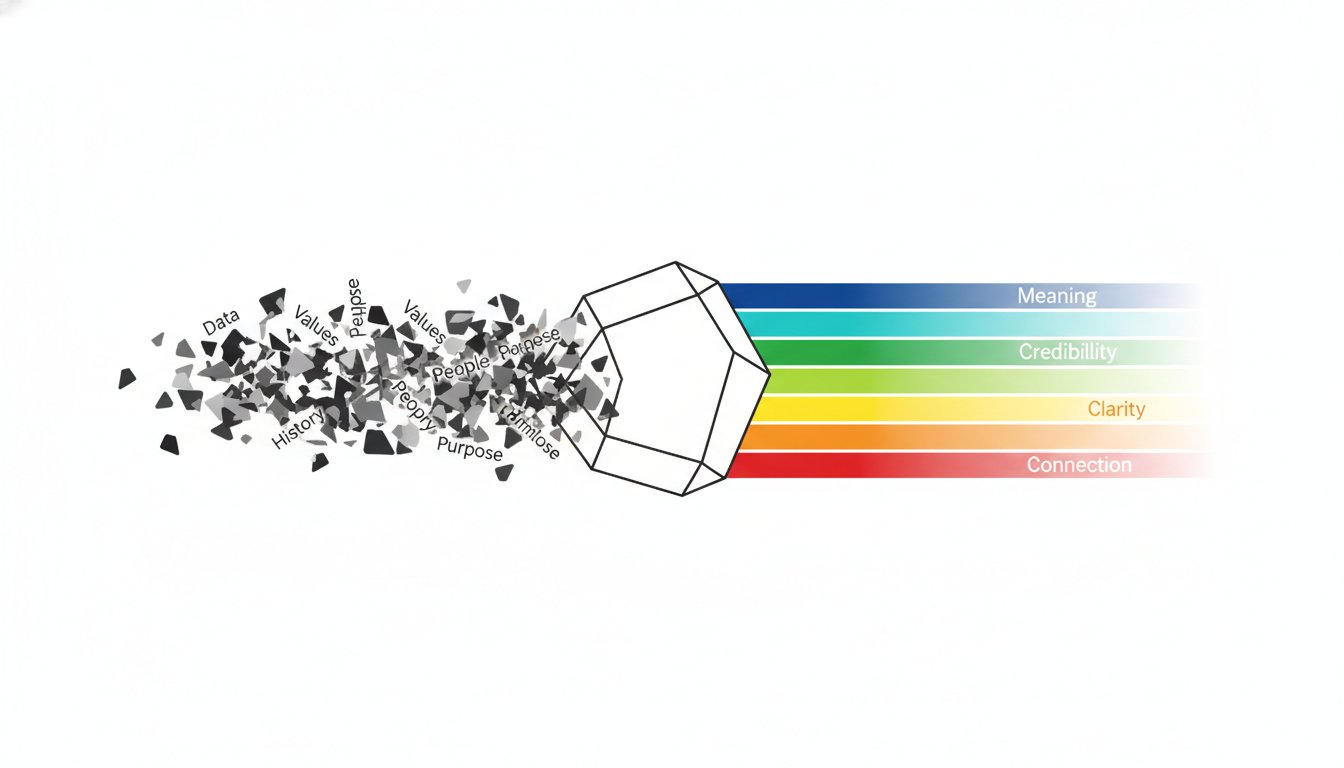
Ultimately, the call for a “storyteller” is a call for a strategic partner. Brands are looking for collaborators who can do the deep work: excavating the internal narrative, shaping it into a compelling, shareable asset, and wielding it to build communities, not just audiences.
It’s a long-term investment in brand equity, where every story is a brick in a fortress of trust. In a world saturated with content, the true differentiator is no longer volume. It is depth, meaning, and the profound human connection that only authentic storytelling can forge. That is the collaborator brands are desperately seeking.
Make Your Business Online By The Best No—Code & No—Plugin Solution In The Market.
30 Day Money-Back Guarantee
Say goodbye to your low online sales rate!
The term “storyteller” is everywhere now. How is what brands are actually looking for different from a traditional content creator?
It’s a shift from a service provider to a strategic partner. A content creator is often briefed on a message and asked to execute it across platforms. A storyteller is brought in to help discover the message itself. They diagnose the brand’s authentic narrative, identify the cultural and emotional chords it can strike, and then architect a plan to distribute that truth in a way that builds credibility and community. It’s less about filling a calendar and more about building a legacy.
You mention “Editorial Credibility.” Does this mean brands want to be like news publishers?
They want the authority and trust of a publisher, not necessarily to become one. Audiences are savvier than ever; they can smell a sales pitch masked as an article. The goal is to create content so genuinely valuable, insightful, or human that it earns placement in the spaces people go to for trust—like Google’s AI Overviews, Apple News, or respected industry newsletters. It’s about contributing to a conversation, not interrupting it.
With AI flooding our feeds, isn’t authentic storytelling becoming impossible?
On the contrary, AI makes authentic human storytelling the ultimate luxury good and differentiator. When AI can generate competent, generic content at scale, what becomes scarce and valuable is the opposite: raw perspective, lived experience, emotional courage, and cultural nuance. The brands that will thrive are those that use AI to handle the generic, freeing up their human collaborators to do the deep, strategic, empathetic work that machines cannot.
One of the core needs you list is “Clarity and Consistency.” Why is that so foundational?
Because you can’t tell a compelling story if you don’t know who your character is. Many brands, especially growing ones, have a fragmented identity—the sales team tells one story, the founder tells another, the product page tells a third. A storyteller’s first job is often as a narrative archeologist, helping the brand unearth and articulate its core purpose, values, and belief system. That clear “story spine” ensures every piece of content, from a tweet to a crisis response, is coherent. It makes the brand trustworthy.
The idea of “Humanity over Perfection” can make executives nervous. How do you sell that?
With neuroscience and results. We know that the brain is wired to connect with stories of struggle, growth, and recognition—not flawless facades. I often share the line, “People don’t connect to perfection. They connect to recognition.” Showing a behind-the-scenes process, a lesson learned from a failure, or the real people behind the logo doesn’t weaken the brand; it forges a powerful, lasting bond. Vulnerability, when strategic, is a strength. It transforms a brand from a logo into a companion.
What’s one question a brand should ask itself to know if it’s ready for this level of storytelling?
“Are we prepared to be authentic, not just aspirational?” If your internal culture, values, and operations don’t align with the story you want to tell, the audience will sense the dissonance. Strategic storytelling isn’t a coat of paint; it’s a mirror. It requires a commitment to live the story you’re telling, which can be uncomfortable but is ultimately transformative for both the brand and its audience.
Ultimately, what’s the return on investment for this deeper narrative work?
It shifts the metric from vanity to vitality. Beyond likes and clicks, the ROI is in trust equity, customer loyalty, and community resilience. It’s what makes a customer choose you in a sea of identical options, defend you during a misstep, and advocate for you without being asked. It’s the difference between a transactional relationship and a loyal partnership. In a crowded digital landscape, that isn’t just marketing—it’s the core of business durability.